Arte
Cultura
# Hamas, #7ottobre, #7ottobre2023, #antisemitismo, #autoricarthago, #belcanto, #bluionico, #book, #cantanti, #carthagodautore, #carthagoedizioni, #casaeditriceindipendente, #consiglidilettura, #ebrei, #ENT, #eventoletterario, #FondazioneMarioSanna, #foniatri, #Gaza, #GruppoOtologico, #icei, #insegnamiaparlare, #leggerelibri, #leviti, #libreriaonline, #libreriavirtuale, #libriconsigliati, #libridaleggere, #librodelgiorno, #linguaggio, #logopedia, #mariagraziacarnà, #MiriamJaskierowiczArman, #ORL, #otorino, #otorinolaringoiatria, #pedagoga, #presentazionelibro, #vetrinaletteraria, #VoceAlDolore, libri
Maria Grazia Carnà
0 Commenti
𝐌𝐈𝐑𝐈𝐀𝐌 𝐉𝐀𝐒𝐊𝐈𝐄𝐑𝐎𝐖𝐈𝐂𝐙 𝐀𝐑𝐌𝐀𝐍: 𝐓𝐇𝐄 𝐓𝐀𝐍𝐆𝐋𝐄 𝐀𝐁𝐎𝐕𝐄 𝐓𝐇𝐄 𝐋𝐈𝐆𝐇𝐓
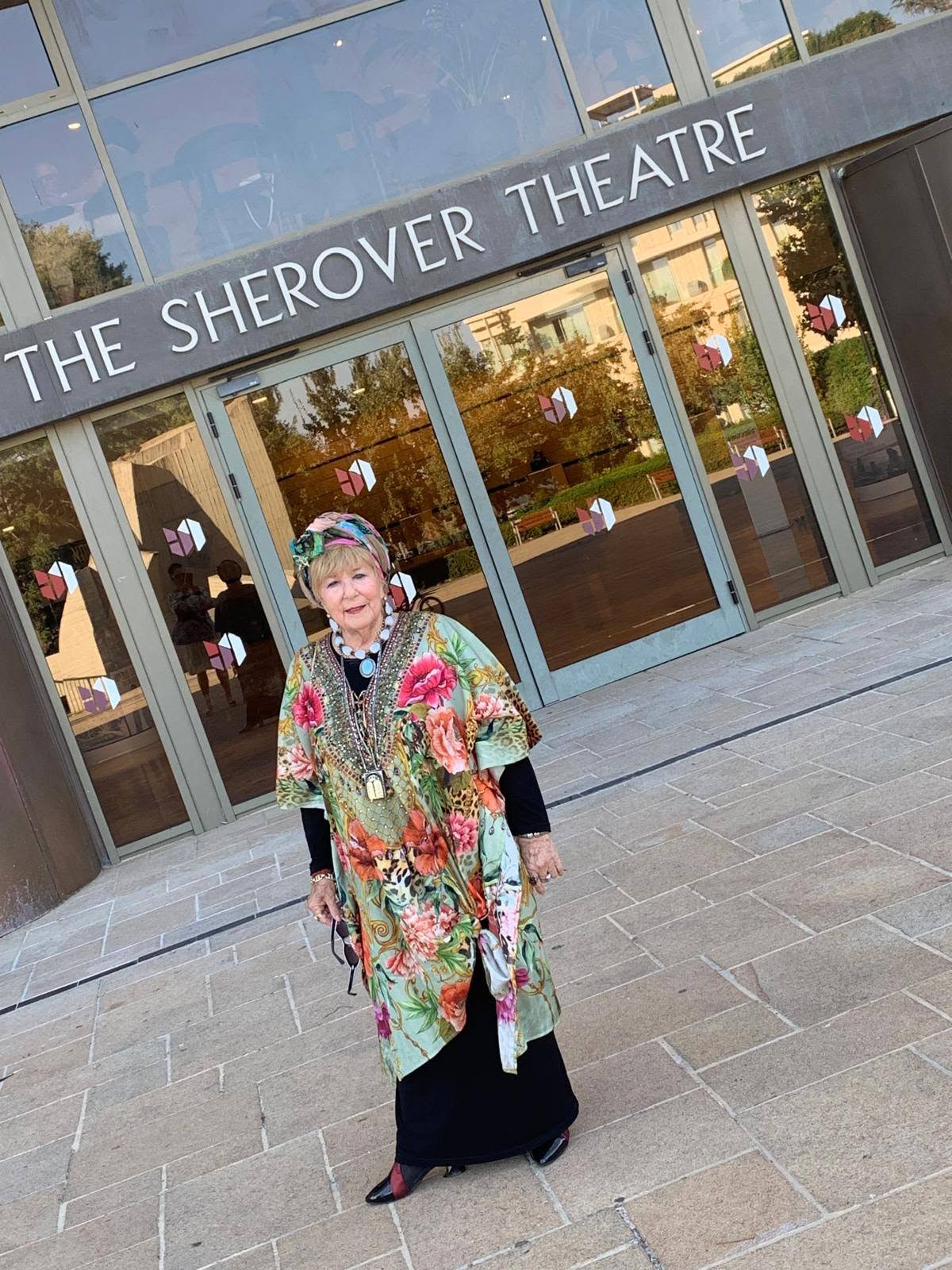
While politics dictates and ideology strays, Art perseveres in its teaching, learning from error itself to guide humanity toward a domain defined not by rigid righteousness, but by unvarnished truth. Upon her return to Israel, Prof. Jaskierowicz Arman reclaims both the urgency and the desire for self-expression, along with the profound joy of offering her work to others. Gone are the alluring falsehoods of an Italy steeped in hypocrisy from which she fled; in their place are the authentic gazes of those who find answers in art, grasp its deeper resonance, and comprehend that inner fire which, once ablaze, bursts forth seeking only its way home.
Jerusalem is no mere expanse of stone and memory; it is a dimension of the spirit, the threshold where the heavens bow to touch the human wound. Within Jewish tradition, the Holy City embodies a dual nature: a heavenly Jerusalem, pure, intangible, and promised and an earthly Jerusalem, wrought from dust, conflict, tears, and ancient stones exuding history. The art of Prof. Miriam Jaskierowicz Arman inhabits this precise sacred fissure, serving as a bridge between the frailty of matter and the absolute of the spirit.
 To traverse this exhibition is to undertake a pilgrimage into the “tangle of existence”. Just as the stones of Jerusalem shelter within their grooves centuries of prayers, grief, and hope etched into the rock, so do the artist’s canvases and forms welcome the weeping colors and tormented contours of a humanity striving for redemption. This is no pursuit of polished or comforting aesthetics; it is the building of the sacred upon its polar opposite, an act of love and defiance wherein the agony of living becomes the sole veil through which divine light can ultimately filter.
Within this exhibition space, every work transforms into a fragment of that cosmic restoration (Tikkun Olam), imparting the truth that the Divine lives within art. Just as it is within the walls of Jerusalem, it is only by confronting the night and the weeping that the mind opens wide to the miracle of vision.
The paintings on display engage in a silent dialogue, driven by a constant tension between the serenity of the landscape and the affliction of the soul. The sinuous, twisted lines of the central figures intertwine like fractured memories, lending form to figures that seem to surface from lost epochs to recount tales of forgotten sorrow. Across the figurative faces and darker brushstrokes, the tones slip downward, resembling weeping pigments flowing like the tears of a God watching human fragility in powerlessness.
Prof. Jaskierowicz Arman’s works possess the compelling force of an initial visual complexity that gradually unravels, revealing the layered convergence of distinct eras and realms: on one side, the deceptively peaceful nature of the landscapes; on the other, the profound disquiet inherent in existence. This art shuns superficial or easy solace; rather, it sinks its roots into the cruelty of the night and the ferocity of one’s own fears. It is precisely by building upon ugliness, suffering, and bitterness that the canvas undergoes its metamorphosis, transmuting pain into a brutally honest aesthetic where salvation and the “miracle of love” emerge as the sole light capable of dispelling the illusions that obscure the mind.
Her works thus become a cathedral and a testament to an ever-present God who lives through art, the supreme message carved behind the tangle of existence. Within that weave of tormented lines and saturated fields of color, the divine does not manifest as an untouched dogma; it reveals itself in the very flesh of the paint, in the capacity to absorb every wound only to transfigure it. The creative act becomes the locus where cosmic chaos finds meaning, and painting endeavors to become a visual prayer, reassembling the scattered fragments of the human soul, cleansing it of past and present lives, and restoring the bare dignity of the eternal.
 Prof. Miriam Jaskierowicz Arman deploys her intellect and passion to grant every onlooker the power to perceive that which remains unseen, she teaches that to interpret the world, the enchantment of beauty is insufficient; one must draw from the agony of living from those who, weeping through the crystalline veil of sorrow, can truly behold all things.
No one leaves this exhibition unscathed. Here, Art ceases to be mere contemplation and becomes Akedah, that binding and sacrifice of what we hold most precious upon the altar of truth. It is a fierce, desperate alchemy, where hatred for the ruins of existence clashes and fuses with an all-encompassing love for the redeeming light. If Jerusalem teaches us that the holiest stones are those bathed in human tears, these works remind us that there is no salvation without the wound. Let those seeking a comforting refuge turn their gaze elsewhere; those with the courage to look God directly in the eye will find Him here, within the folds of the canvas, alive in every color, bleeding and loving.



Commento all'articolo